City Gas Safety Exposed: Inside Pressure Regulating Stations
Unveiling the "Brain" of City Gas Safety & Pressure Control: Key Technologies and Safety Mechanisms of Gas Pressure Regulating and Metering Stations
In urban natural gas distribution networks, gas pressure regulating stations (or pressure regulating and metering stations) serve as the vital "heart and center" of energy infrastructure. As global industrial production rebounds and the transition toward clean energy accelerates, high-pressure gas networks continue to expand, demanding higher safety, stability, and metering precision for industrial and residential supply lines.
Reduction ──> Emergency Shut-Off/Relief ──> Low-Pressure Outlet
Core Functions of Gas Pressure Regulating and Metering Stations
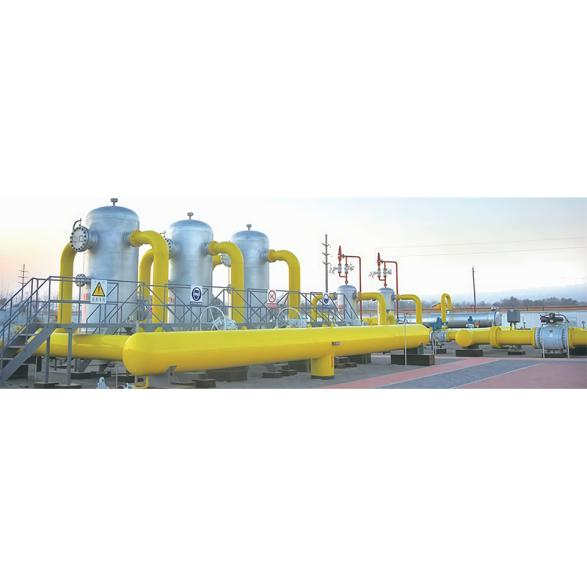
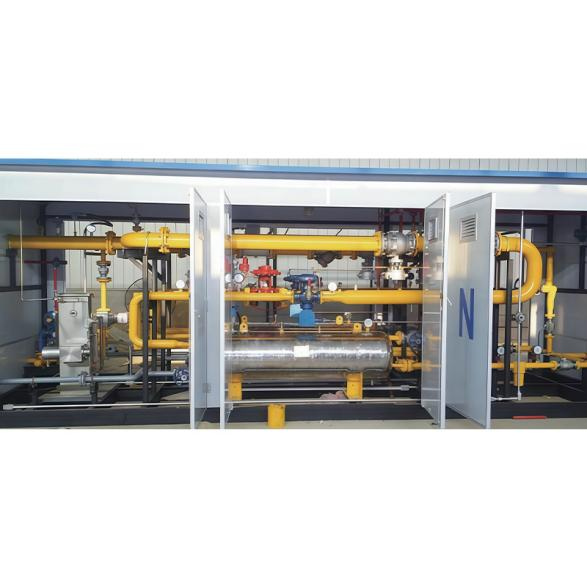
Gas Pressure Regulating and Metering Stations (PRMS) are typically positioned at high-pressure/sub-high-pressure city gate stations, industrial park connection points, and upstream of large gas-fired power plants. Their main duty is to process high-pressure gas coming from upstream pipelines and ensure a safe, steady downstream supply.
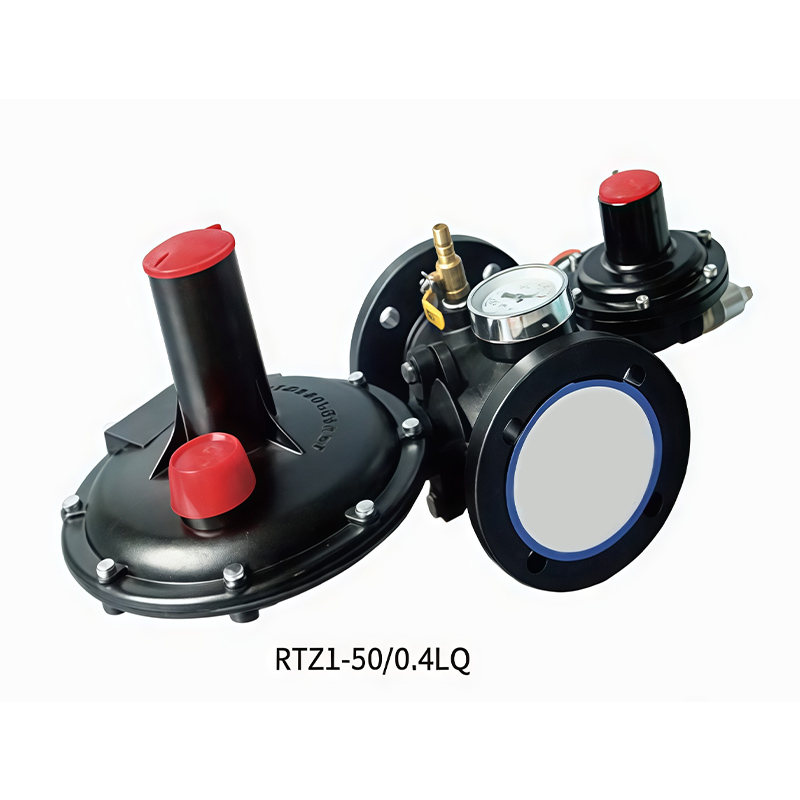
- Precision Pressure Regulation & Stabilization: Reduces fluctuating upstream high pressure (e.g., 0.4MPa ~ 1.6MPa or higher) to a consistent, target working pressure (e.g., 0.1MPa or 0.003MPa) required by downstream city networks or industrial equipment.
- Accurate Custody Transfer Metering: Integrates gas turbine meters, ultrasonic flow meters, and volume correctors to perform real-time temperature and pressure compensation, ensuring transparent and fair commercial billing between suppliers and consumers.
- Multi-Stage Filtration & Pretreatment: Utilizes high-efficiency gas-liquid separators and dry filters to clear condensate oils, moisture, and solid particulate matter carried along the pipeline, protecting downstream regulator valve cores from erosion and wear.
The Three Defense Lines of Safety Protection Systems
Modern stations integrate multiple passive and active safety mechanisms to instantly isolate risks during over-pressure or loss-of-pressure events:
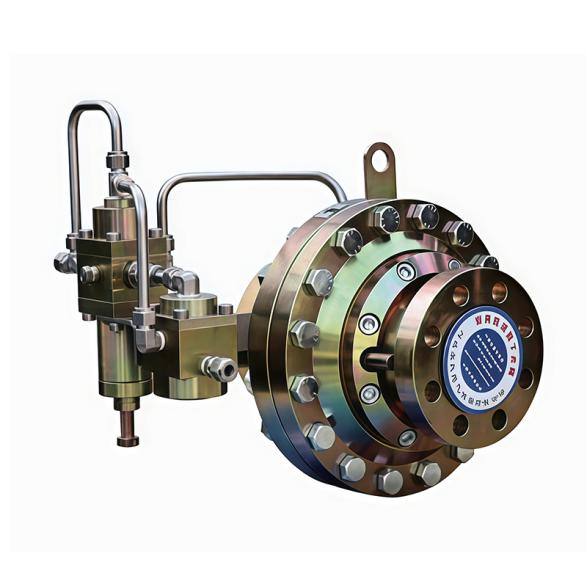
- Monitor-Worker Regulator Configuration: Features a primary (worker) regulator and a monitor regulator arranged in series. If the primary regulator fails and output pressure spikes, the monitor regulator seamlessly takes over control to prevent supply interruption.
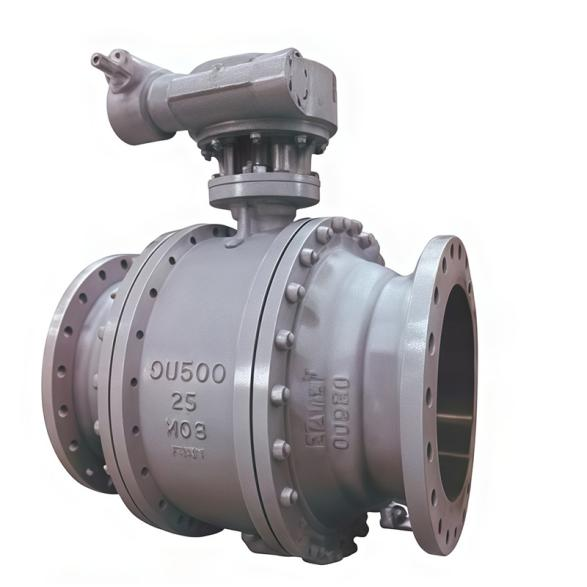
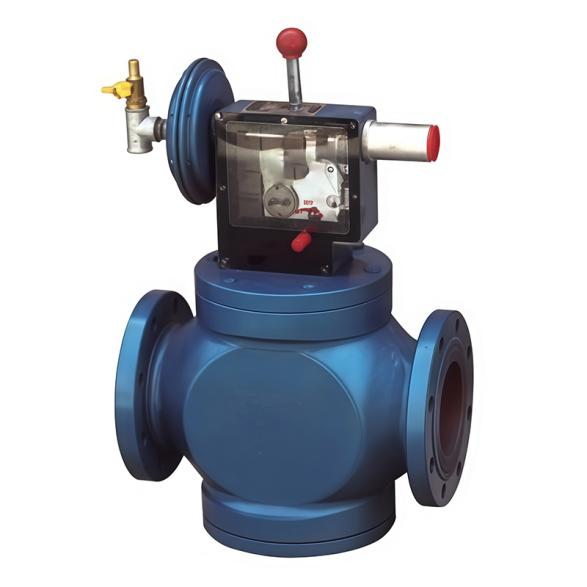
- Safety Shut-Off Valve (SAV/SSV): A standalone mechanical trip mechanism independent of the regulator. If downstream pressure passes upper or lower safety thresholds, the valve snaps shut within milliseconds to fully isolate gas flow.
- Safety Relief Valve (SRV): Handles minor pressure fluctuations by safely venting small amounts of gas into the atmosphere, preventing unnecessary triggers of the main safety shut-off valve.
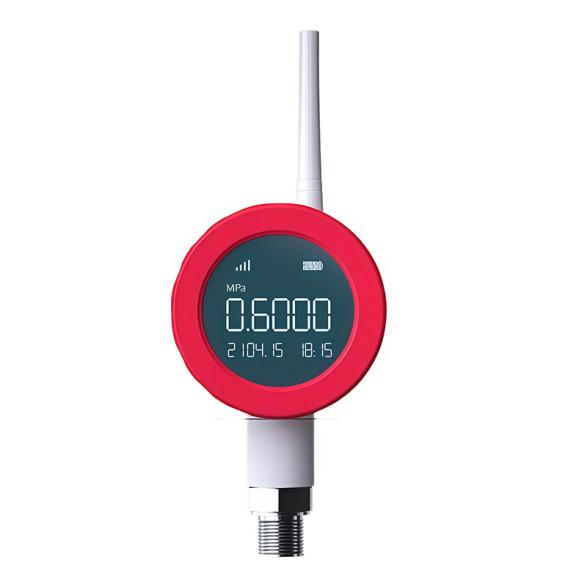
Driven by industrial automation, modern pressure regulating and metering stations are rapidly transitioning toward fully automated, unmanned, and remotely monitored smart stations—building a resilient foundation for urban disaster prevention and efficient green energy deployment.