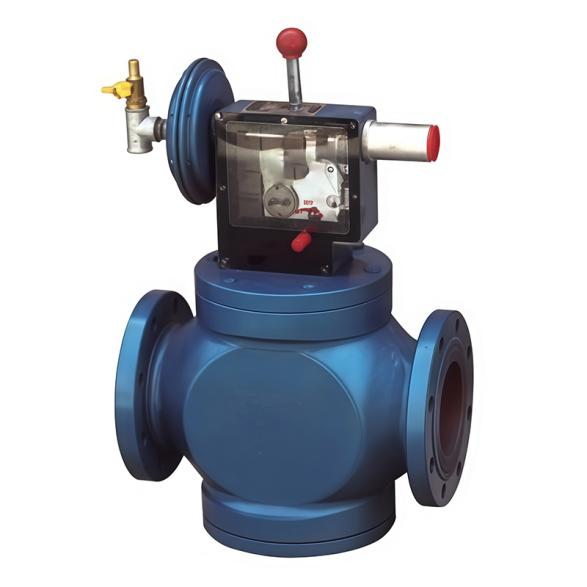
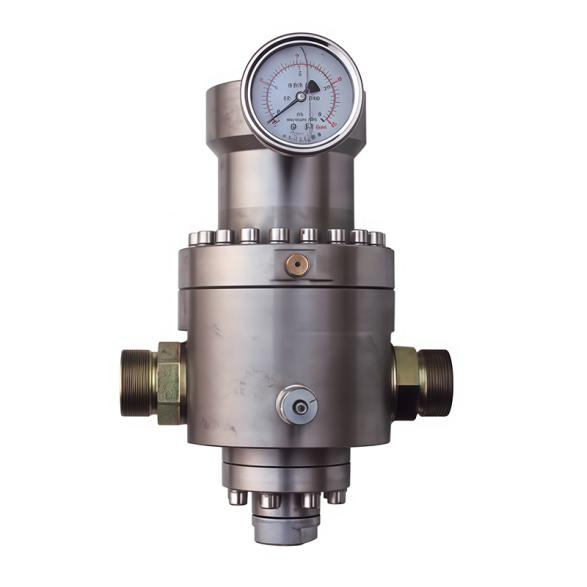
Selecting Gas Pressure Reducing Valves
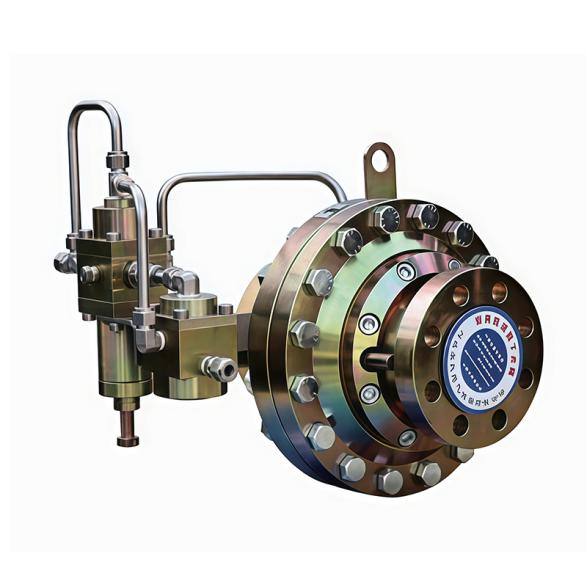
Protecting Downstream Pipelines: Fundamentals and Selection of Gas Pressure Reducing Valves
Pressure Reducing Valves (PRVs)—often referred to as pressure regulators—are the active primary control elements in gas distribution and process piping networks. Their fundamental responsibility is to reduce high, fluctuating upstream pressure to a lower, stable downstream pressure, regardless of changes in flow demand or inlet pressure variations.
Key Operational Mechanisms & Types
- Direct-Acting Regulators: Utilize internal diaphragm and spring balancing mechanisms to respond directly to downstream pressure shifts. Best suited for low-to-medium flow applications requiring rapid response times and minimal mechanical complexity.
- Pilot-Operated Regulators: Employ a secondary pilot valve to amplify sensing signals and control a main diaphragm or piston actuator. Ideal for high-pressure, high-capacity city gate stations and power plant feed lines requiring precise pressure regulation within tight tolerances.
Critical Selection Criteria
When sizing and selecting a PRV, process engineers must carefully evaluate:
- Inlet & Outlet Pressure Differential (△P): Higher pressure drops increase the risk of sonic flow conditions, cavitation, and extreme noise, requiring noise-attenuating trims or multi-stage pressure reduction.
- Lock-Up Performance: The ability of the valve to tight-shut when flow drops to zero, preventing downstream overpressurization during idle periods.
- Materials Compatibility: Selecting trim and seal materials suitable for gas composition, particularly when sour gas (H2S), moisture, or heavy hydrocarbons are present.