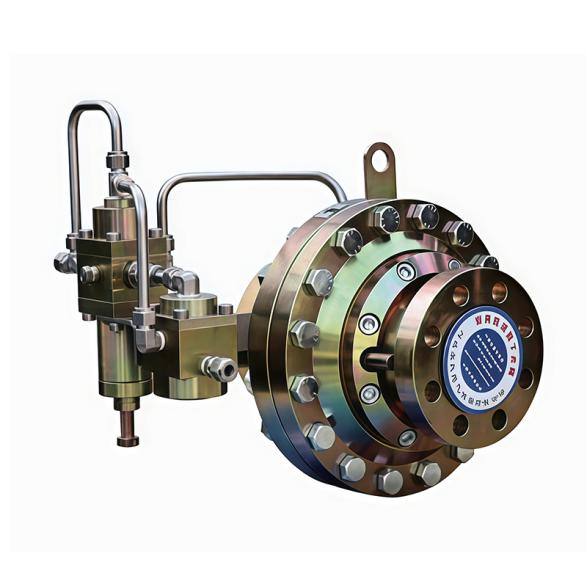
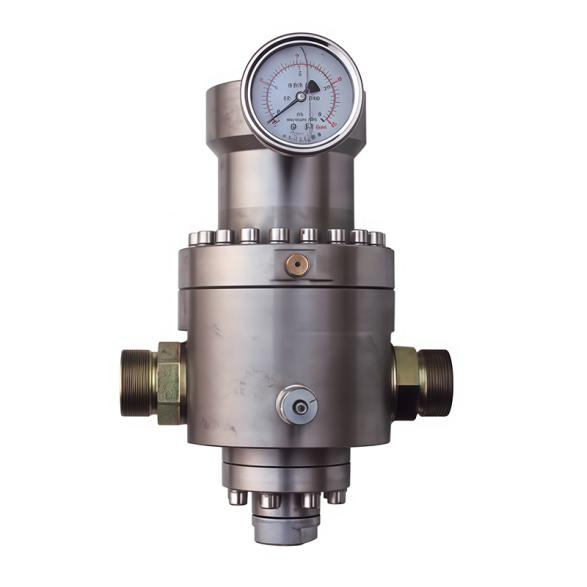
Safety Shut-Off Valves: The Ultimate Downstream Guard
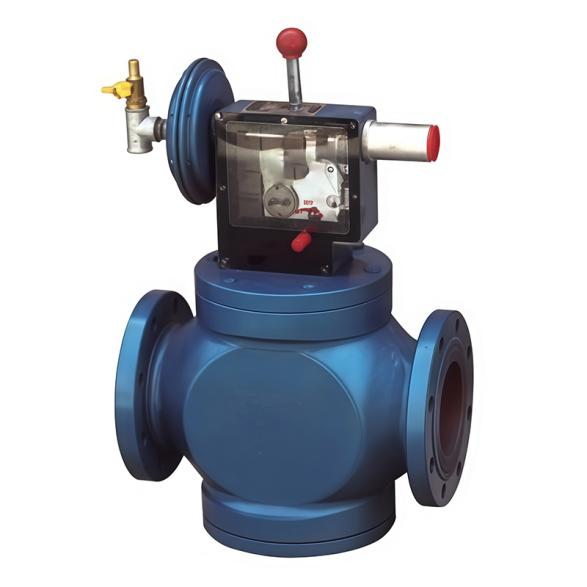
Safeguarding Downstream Infrastructure: The Vital Role of Safety Shut-Off Valves (SSVs)
While pressure regulators maintain process conditions, Safety Shut-Off Valves (SSVs/SAVs) serve as the ultimate mechanical defense line against catastrophic overpressure or underpressure events in gas pipelines. Unlike control valves, SSVs operate purely as binary safety devices: they remain fully open during normal operations and trip fully closed within milliseconds when process thresholds are breached.
Key Features of Modern SSVs
Independent Mechanical Actuation: SSVs are designed to trip mechanically or pneumatically using internal sensing mechanisms independent of external power or electronic control signals, guaranteeing fail-safe operation during station power outages.
Dual Overpressure and Underpressure Protection (OP/UP):
Overpressure Trip (OPS): Protects downstream piping, meters, and low-pressure appliances from ruptured regulator diaphragms or mechanical binding.
Underpressure Trip (UPS): Isolates the system if upstream supply fails or a downstream line breaks, preventing explosive air-gas mixing upon pressure restoration.
Manual Reset Requirement: Once tripped, an SSV cannot auto-reset. Trained personnel must manually inspect the station, clear the fault, and manually unlatch the valve, enforcing strict operational oversight.
Integrating high-performance SSVs into station designs remains an essential compliance requirement under major international safety standards, including EN 14382 and ASME B31.8.