Choosing the Right Industrial Gas Regulating Station
Industrial Gas Supply Upgrades: Selecting the Ideal Gas Pressure Regulating Station for Your Application
Across manufacturing, fiberglass, metallurgy, paper, and gas turbine power generation, natural gas usage as a clean fuel and raw material keeps rising. Industrial gas applications feature high flow variability, continuous operation demands, and broad inlet pressure ranges, making proper station selection vital during facility design and retrofits.
Comparison of Common Industrial Regulator Specifications
| Type | Suitable Inlet Pressure | Structural Features | Typical Applications |
|---|---|---|---|
| Cabinet Regulators | 0.1~0.8MPa | Compact, minimal footprint, fast on-site installation | Commercial complexes, small-to-mid boiler rooms |
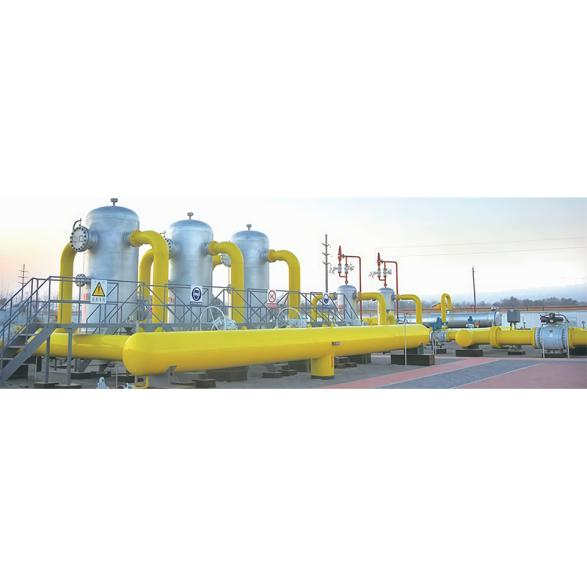
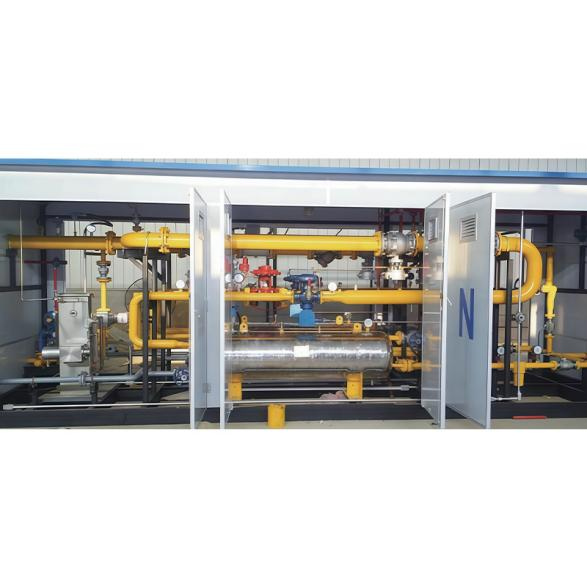
| Skid-Mounted PRMS | 0.4~4.0MPa | Modular pre-assembly, dual/multi-line backup, easy expansion | Industrial park city gates, large manufacturing plants, CHP plants |
| Underground / Semi-Underground | 0.05~ 0.4MPa | Reinforced explosion-proofing, low noise, zero surface land use | Urban retrofits, space-constrained city centers, residential areas |
Three Essential Selection Criteria for Industrial Operations
- Flow Capacity & Dynamic Response Speed
Choosing a regulator requires evaluating maximum hourly load, minimum low-flow shut-off performance, and transient response speed. Facilities with frequent equipment start-stops (such as industrial heating furnaces) require regulators with fast dynamic response to prevent pressure surges that cause burner flameouts or misfires.
- Redundancy & Bypass Architecture (1+1 or 2+0)
Continuous industrial operations require redundant dual-path systems (one active, one standby). When the primary path requires filter cleaning or valve maintenance, the system switches to the backup run without interrupting facility output.
- Smart SCADA & Remote Condition Monitoring
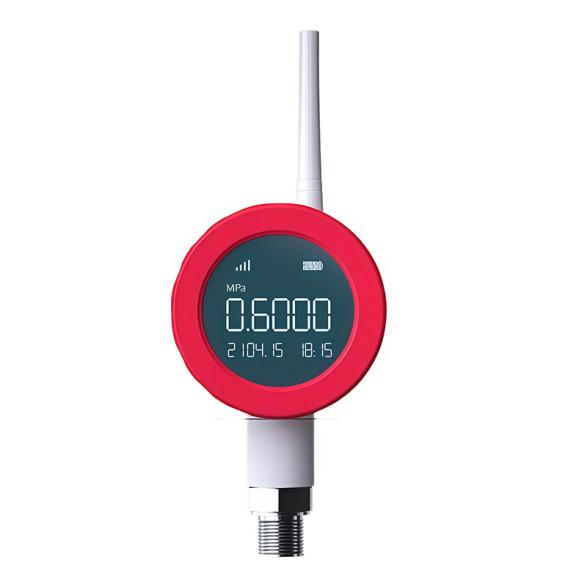
Modern skid-mounted stations integrate industrial PLC/RTU controllers and explosion-proof sensors to capture inlet/outlet pressures, temperatures, flow data, and filter differential pressures in real time. Systems automatically signal alerts for clogged filters or minor seat leakage, shifting maintenance from reactive repairs to proactive care.
Here are 7 industry knowledge articles covering modular skid-mounted gas systems and critical pressure/flow control components.