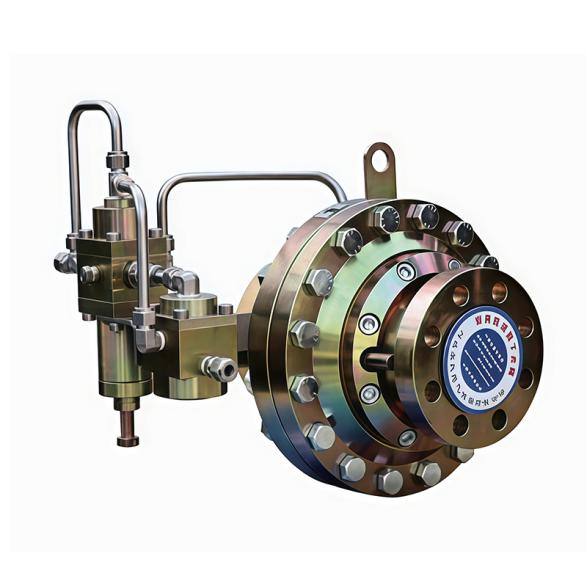
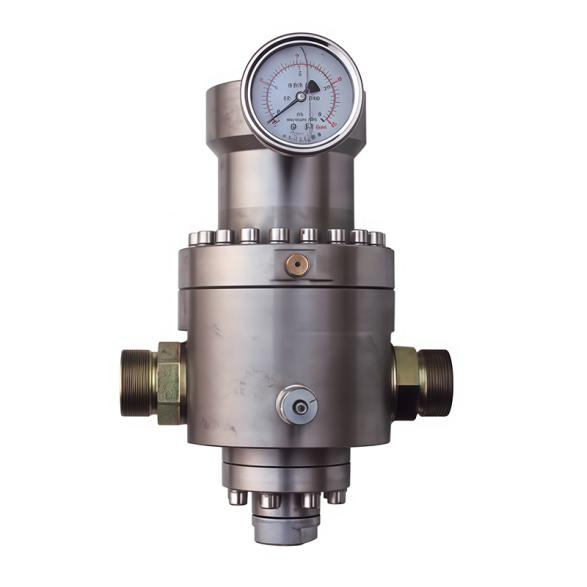
Pressure Vessels for Modular Gas Systems
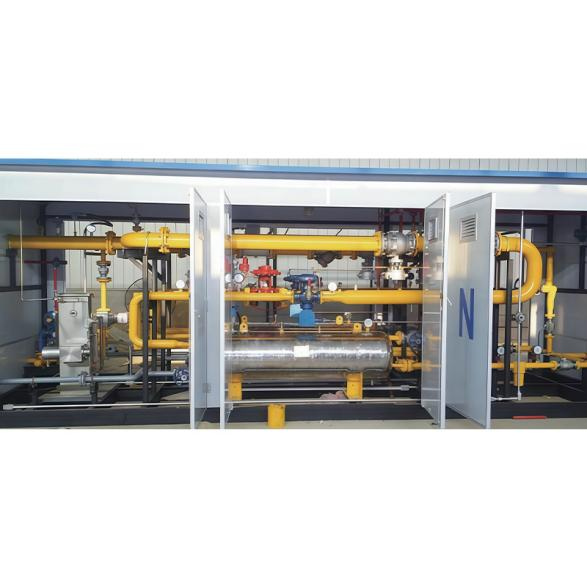
Pressure Vessels in Modular Gas Infrastructure: Design, Standards, and Integrity Management
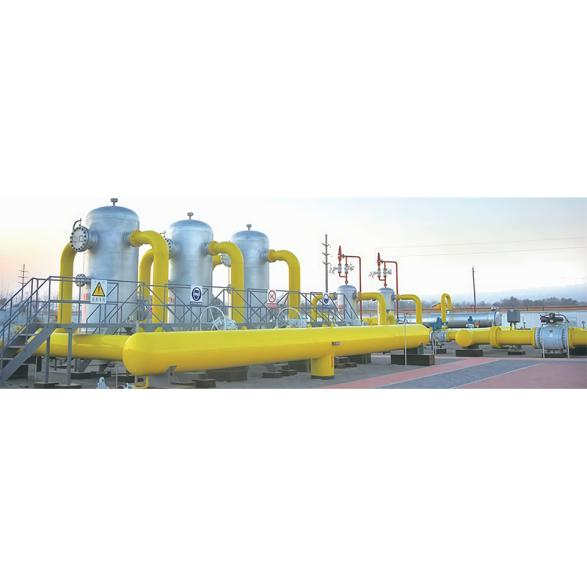
Pressure vessels—including gas-liquid separators, filter-separators, odorant storage tanks, and pulsation dampeners—form the core mechanical processing units within skid-mounted gas stations. Operating under substantial internal pressures, these vessels must strictly adhere to rigorous mechanical engineering codes to guarantee long-term operational integrity.
International Codes and Fabrication Standards
- ASME Boiler and Pressure Vessel Code (BPVC) Section VIII: The globally recognized benchmark for design, materials selection, stress analysis, and fabrication of unfired pressure vessels.
- PED (2014/68/EU): European Pressure Equipment Directive governing design and compliance for equipment placed on the European market.
Core Processing Components inside Gas Separator Vessels
- Primary Knock-out Zone: Uses mechanical baffles or cyclonic entry nozzles to drop large liquid droplets and heavy solids out of the gas stream via gravity.
- Secondary Coalescing Stage: High-efficiency glass-fiber filter cartridges capture micron-sized mist particles and aerosol droplets.
- Final Demisting: Stainless steel vane packs or wire mesh demisters collect remaining moisture droplets, delivering dry gas to downstream regulators and meters.
Regular non-destructive testing (NDT)—such as ultrasonic thickness testing and magnetic particle inspection—ensures that pressure vessels maintain structural integrity throughout decades of continuous high-pressure service.