LNG gasification equipment
Get In Touch →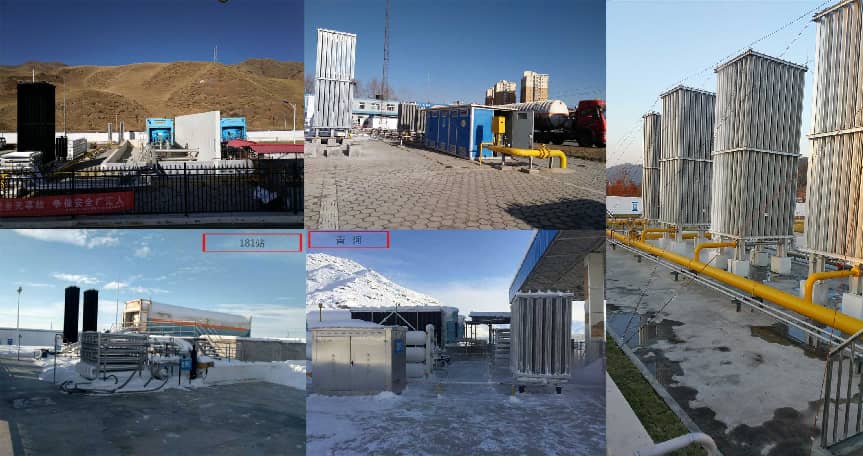
LNG Gasification Equipment
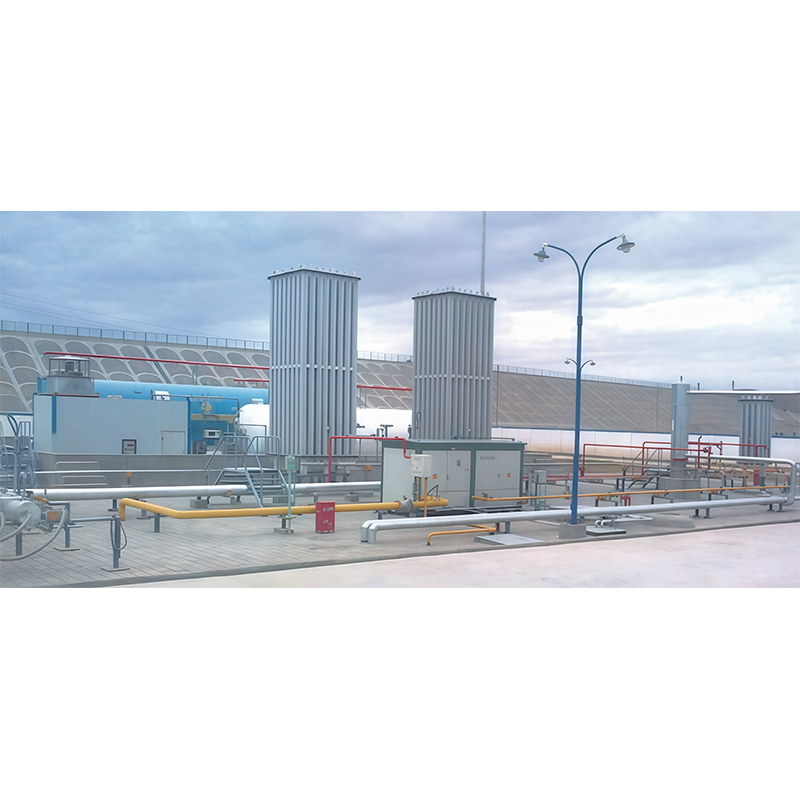
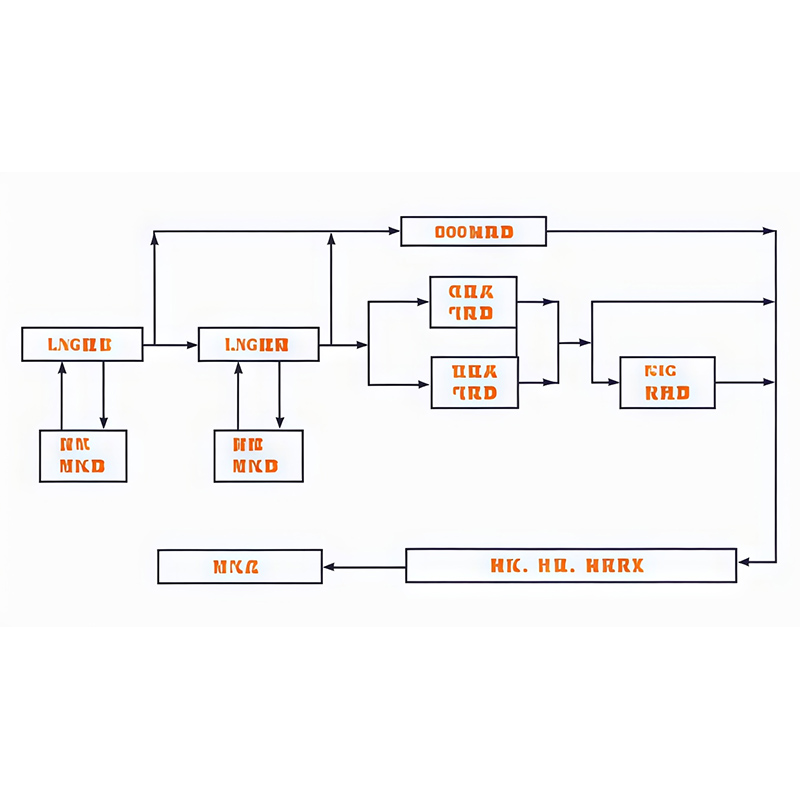
LNG (Liquefied Natural Gas) is transported to the gasification station by cryogenic tank trucks. At the unloading platform, the tank truck’s built-in booster pressurizes the tanker storage tank. The pressure difference delivers LNG into the LNG storage tank for preservation.
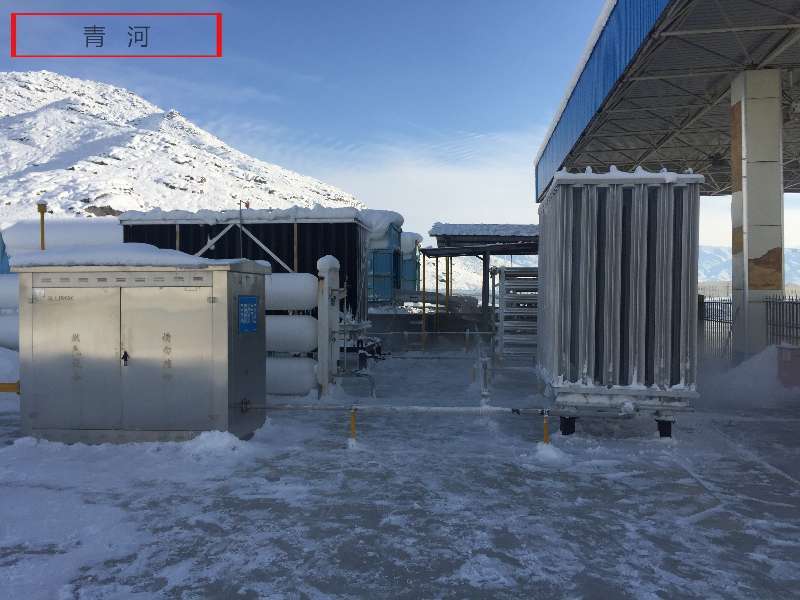
For gasification, LNG is pressurized by the storage tank booster and flows by gravity into the ambient air vaporizer, where LNG undergoes phase transition and turns into gaseous natural gas. In summer, the gas directly flows into the pressure regulating and metering system before feeding into the pipeline network. In winter, it passes through a water-bath heater first, then enters the pressure regulating and metering system, and is delivered to the pipeline network after meeting transmission and distribution standards.
After LNG is unloaded from the tank truck, residual natural gas remains inside. This gas, together with tank boil-off gas (BOG), exchanges heat with ambient air via the BOG heater and is merged into the system.